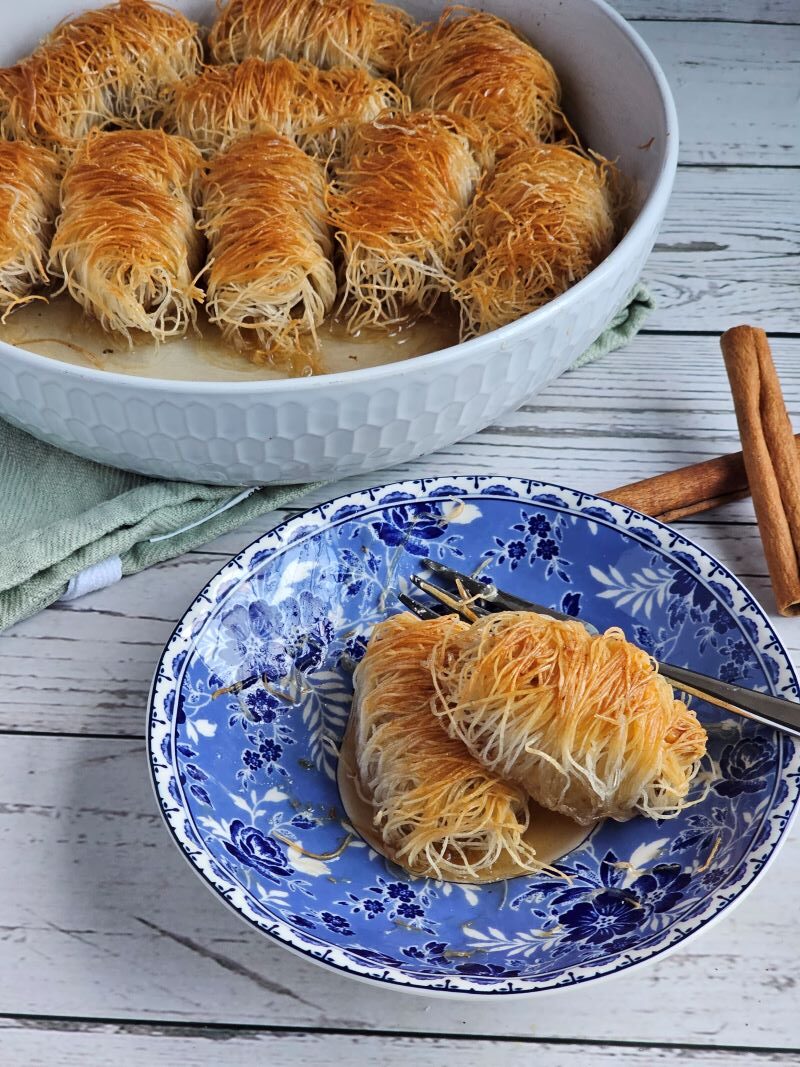
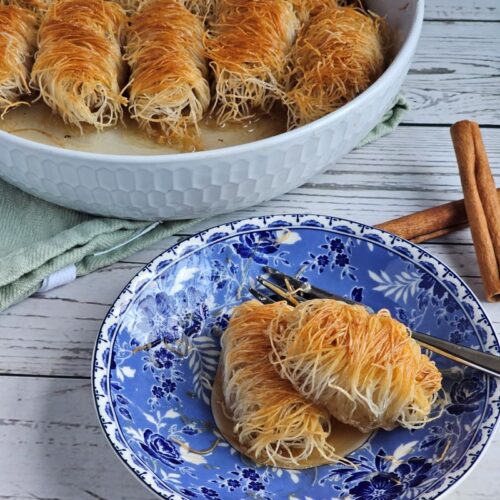
These Walnut Kataifi Rolls are everything a dessert should be—crispy, buttery, and soaked in a fragrant cinnamon syrup. If you love Baklava, you’ll love Kataifi Rolls even more. The texture of the shredded phyllo (Kataifi pastry) makes these rolls something special.
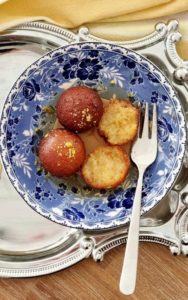
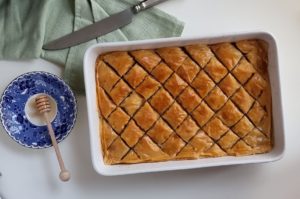
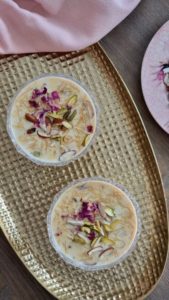
In Middle Eastern, Turkish and Greek cuisine, these are a staple for celebrations. I like to make these for Eid and they are part of my Eid desserts along with Baklava, Sheer Khurma and Gulab Jamuns.
But you don’t need to wait for an occasion to enjoy this irresistible dessert. Make them for a teatime treat, they are definitely best served with a strong cup of coffee or tea to balance out the sweetness!
What is Kataifi Pastry?
Kataifi (also spelled kadaifi) is similar to phyllo pastry, but instead of sheets, it comes in the form of fine, shredded strands — almost like angel hair. These delicate strands are made from a special phyllo dough and are commonly used in Middle Eastern, Greek, and Turkish desserts.
While kataifi is most often used to make sweets like kataifi rolls or nests filled with nuts and syrup, it can also be used in savory dishes.
You can usually find kataifi pastry in the refrigerated or freezer section of well-stocked supermarkets, Mediterranean grocers, or Middle Eastern stores. I use Antoniou (Chilled Katifi Pastry) It’s available in chilled and also frozen form. Chilled pastry works better — simply thaw it as per package instructions before using.
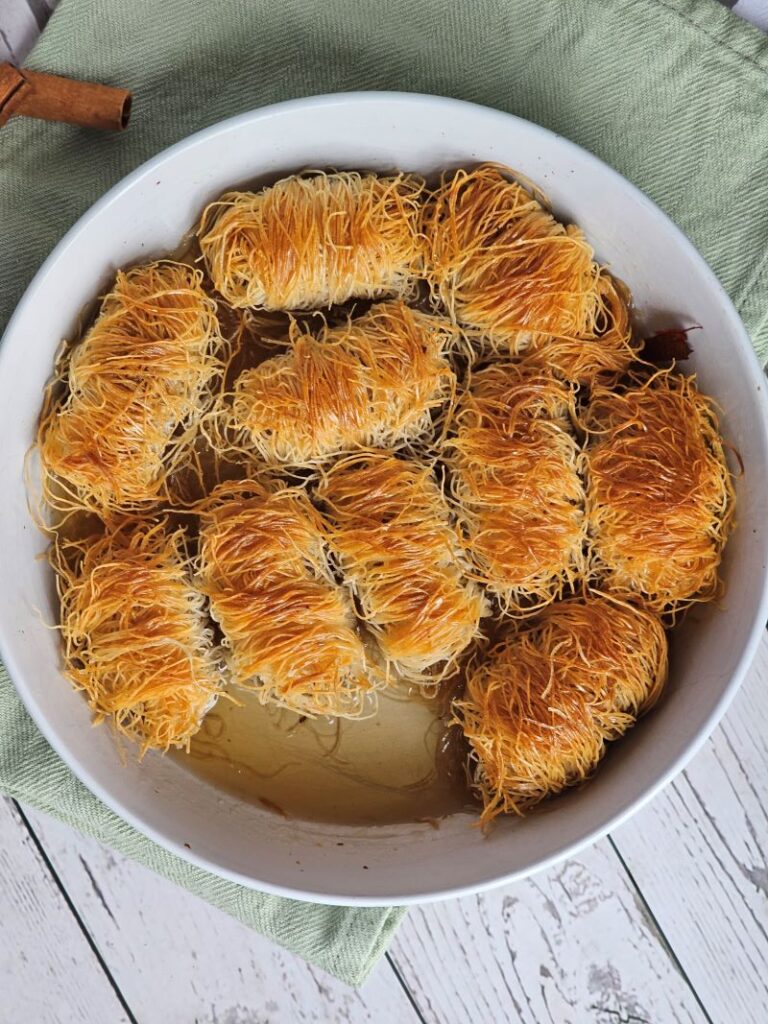
Tip On how to work with Kataifi Pastry
Working with kataifi pastry can be easy once you know a few simple tricks:
Thaw it right: Always defrost your pastry in the fridge overnight. Thawing it on the bench can make it soggy or brittle, which makes rolling impossible.
Keep it covered: This is the most important part! Kataifi dries out in minutes. Keep the pastry you aren’t using under a damp (not wet) tea towel while you work.
Fluff the strands: The pastry comes tightly packed, so take a minute to gently pull the strands apart with your fingers to give it some volume.
Don’t skimp on butter: Tossing the strands in melted butter doesn’t just add flavor—it actually makes the pastry more flexible and easier to roll.
Filling For Walnut Kataifi Rolls
Traditionally, kataifi rolls are filled with chopped nuts such as walnuts, pistachios, or almonds — sometimes even a mix of all three. For this recipe, I’ve used walnuts, which give a rich, earthy flavor and a lovely crunch.
To prepare the filling:
- Add the walnuts to a food processor and pulse gently until coarsely chopped.
- Avoid over-processing, as the nuts can turn too fine or even pasty. You want chunky bits that add texture and make every bite of kataifi crisp and satisfying.
For extra flavor, you can optionally mix in a pinch of cinnamon or a touch of sugar with the nuts.
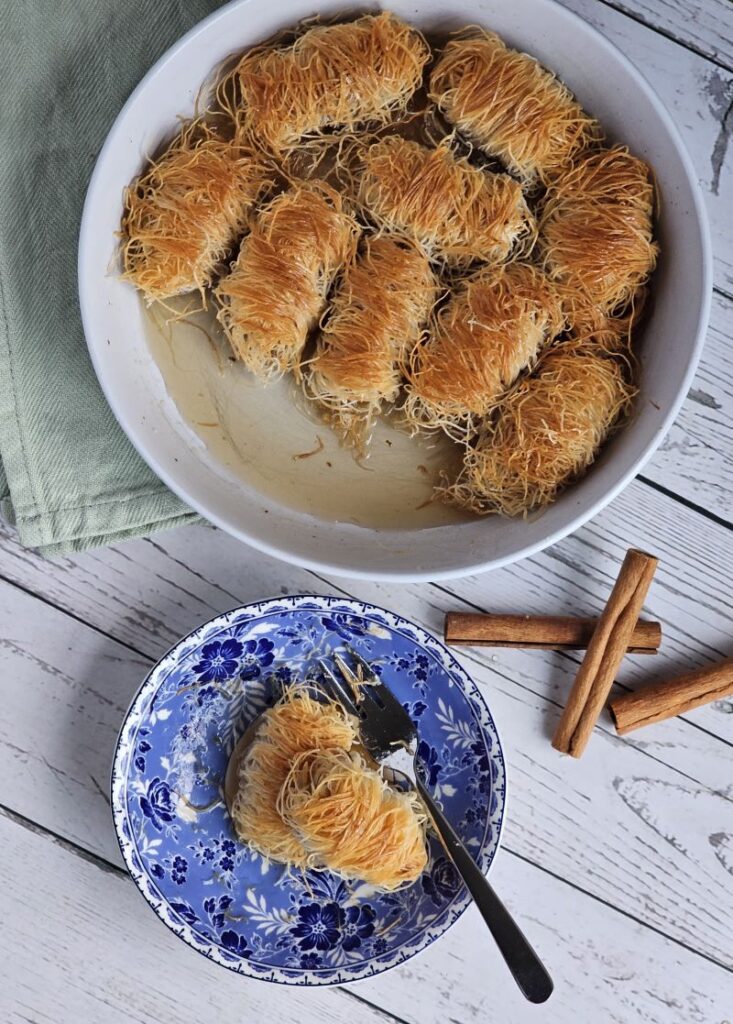
Assembling the Walnut Kataifi Rolls
To assemble your kataifi rolls:
- Cut the kataifi pastry into approximately 7-inch lengths using kitchen scissors or a sharp knife.
- Gently loosen the strands with your fingers to fluff them up, keeping the length intact as much as possible.
- Take a small amount (about 4 inches long) of kataifi and lay it across the width of the main portion to form a double layer. This helps hold the walnut filling in place and prevents it from falling through the pastry strands.
- Spoon 1 tablespoon of chopped walnuts across the double layer and carefully roll the pastry, tucking in the sides as you go to form a neat roll.
- Brush a baking dish with melted butter and arrange all the prepared rolls in a single layer. Then, use a pastry brush to generously butter the tops of the rolls as well.
- Bake in a preheated oven at 160°C (320°F) for 40 minutes, or until the rolls are crisp and golden brown.
- Immediately after baking, pour cold sugar syrup over the hot kataifi rolls. This step is crucial — always make the syrup ahead of time so it’s completely cooled. If both the syrup and the pastry are hot, the rolls will turn soggy instead of crisp.
Watch How to Make Walnut Kataifi Rolls
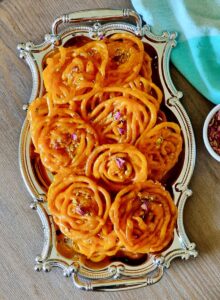
Other Middle Eastern Dessert Recipes to Try
If you try this recipe, I’d love to hear from you. Drop a comment below and give me your feedback.
Walnut Kataifi
Ingredients
- 450 g Kataifi Pastry
- 250 g Walnuts
- 250 g Unsalted Melted Butter
Syrup
- 1 Cup Sugar
- ½ Cup Water
- 1 Cinnamon Stick
Instructions
- First prepare the syrup. Add all the ingredients for the syrup into a saucepan and stir until sugar is dissolved. Once its starts boiling, the syrup is ready. Leave the syrup aside to cool completely.
- In a food processor add walnuts and pulse until they are roughly chopped. Make sure the nuts remain chunky,we do not want powdered texture.
- Put kataifi in a bowl and gently pull it part to separate. Drizzle 3 tbsp of melted butter over and toss the pastry to coat butter over. Keep the pastry covered with damp cloth while you are ae making your rolls
- Cut the Kataifi into 7 Inches lengths (approx) using scissors or a knife. Using your fingers, pull the strands apart slightly, keeping their length intact where possible. Place around 4 inches long Kataifi across the width to form an extra layer where the walnuts will be laid, and to prevent the nuts from falling through the gaps of the Kataifi strands.
- Place one tablespoon of walnuts across the double layer of Kataifi and roll, tucking in the sides as you roll.
- Prepare a baking tray, brush it with butter and place all the prepared rolls in it. Using a brush gently dab melted butter all over them.
- Bake in preheated oven at 160 ℃ for 40 minutes or until golden. Remove from the oven and pour the syrup all over the Kataifi rolls. Allow the Kataifi rolls to absorb all the syrup before serving.